Explore the Key Services Delivered by a Professional Arborist for Maintaining Healthy Trees
A professional arborist offers a range of services essential for ensuring tree wellness and improving landscapes. Their expertise in tree pruning promotes growth and minimizes threats. They also diagnose and manage tree diseases, guaranteeing customized treatment plans are implemented - Florence Arborist. Additionally, arborists perform safe tree extractions and aid in planting and transplanting. Their role is especially important during urgent times such as storm damage. Being aware of these services can significantly affect one’s approach to tree care
The Significance of Tree Pruning
Although many homeowners might ignore the need for tree pruning, it serves a vital function in maintaining the health and aesthetics of trees. Effective pruning assists trees in building a sound framework, taking away dead or sick branches that could pose risks. By carefully cutting branches, the tree can concentrate its resources on healthy growth, encouraging improved air flow and sunlight penetration. Additionally, pruning can improve the look of the tree, shaping it for aesthetic appeal in residential landscapes.
Moreover, regular pruning can prevent potential hazards, such as falling branches during storms or high winds, which could cause property destruction or cause personal injury. It also helps prevent of insect problems and diseases by enhancing the tree's hardiness. Ultimately, hiring professional arborists for tree pruning guarantees that trees remain healthy, safe, and visually pleasing, adding significantly to the overall beauty and value of the property.
Diagnosing and Managing Tree Diseases
Tree health can be considerably affected by different illnesses that may not always be instantly obvious. A professional arborist plays an essential role in detecting these problems soon, utilizing a combination of visual inspections and assessment instruments. Symptoms such as discolored leaves, wilting, or irregular growth shapes often signal underlying health issues. Arborists examine these indicators to determine exact ailments, whether fungal, bacterial, or viral in nature.
When the problem is identified, the arborist develops a specific treatment strategy. The plan often involves focused interventions, such as bactericides or fungicides, and cultural practices that boost the tree's resistance. Moreover, proper watering, the application of mulch, and nutrition helps greatly enhance tree health and defense against pathogens. Consistent observation and follow-up treatments are essential for successful control, guaranteeing the lifespan and vitality of the trees. By addressing tree diseases proactively, arborists help maintain the beauty and ecological benefits of thriving trees.
Guidelines for Safe Tree Removal
Proper tree felling methods are critical for securing safety and minimizing damage to adjacent areas. Qualified professionals utilize a comprehensive evaluation of the state of the tree, its location, and the immediate vicinity before proceeding with removal. Professionals employ dedicated machinery, such as chainsaws and rigging gear, to make clean incisions and manage the tree during its descent.
A thoughtful felling approach involves spotting possible dangers, such as nearby buildings or utility lines, which can compromise the safety measures. Professionals commonly utilize the process called "sectional dismantling," where the tree is cut down in small sections, reducing the risk of falling debris.
Moreover, professionals comply with municipal guidelines to guarantee compliance and environmental stewardship. After the removal, proper cleanup and disposal of the tree debris, including stump grinding, contribute to the overall safety and aesthetics of the property.
Guidelines for Tree Installation
Planting related information and transplanting trees demands close attention of choosing the location and planting techniques to guarantee long-term health and successful establishment. An appropriate setting greatly affects a tree's development, whereas good planting practices reduce trauma and aid in successful rooting. Arborists emphasize these factors as critical for improving the vigor and longevity of trees in various settings.
Choosing the Right Location
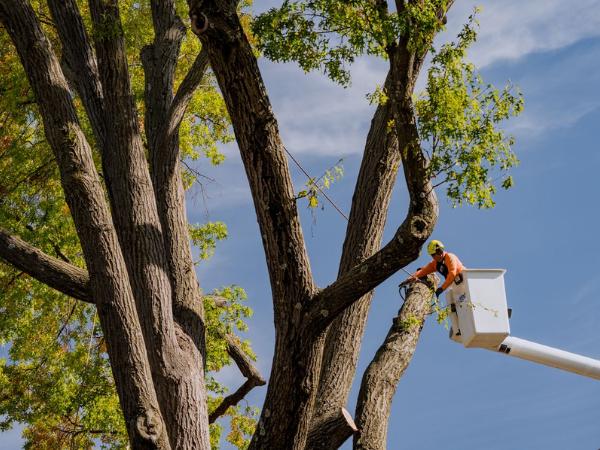
Finding the perfect spot for planting or transplanting trees is essential for their sustained health and success. Factors such as soil quality, sunlight exposure, and water flow needs careful consideration. Trained tree experts evaluate the location's features, making sure that the selected area offers sufficient nourishment and proper foundation for the trees. Furthermore, the nearness to established constructions and neighboring vegetation is crucial to prevent competition for resources and steer clear of future injury. Tree specialists also factor in the tree’s full-grown dimensions and underground network, making sure there is ample room to expand. Via an in-depth assessment of the location, these experts help clients choose wisely that promote healthy, thriving trees, which boosts the landscape’s aesthetic and ecological value.
Best Practices for Planting
When the planting spot is meticulously reviewed and picked, the next step involves using optimal methods for planting trees. Meticulous digging of the hole is essential; it should be double the diameter of the root system and the same depth as the root ball. It is necessary to set the tree in the hole so that the crown of the root mass is even with the surrounding soil. Backfill with native soil, making sure to eliminate air gaps, and soak the area well to help the roots settle in initially. Mulching around the base assists in keeping water in and suppress weeds. Florence Arborist. If moving mature plants, it’s important to minimize root disturbance and move the tree while it is inactive for the greatest likelihood of thriving. Adhering to these methods promotes robust development and extended health
Arborist Action Following Severe Weather
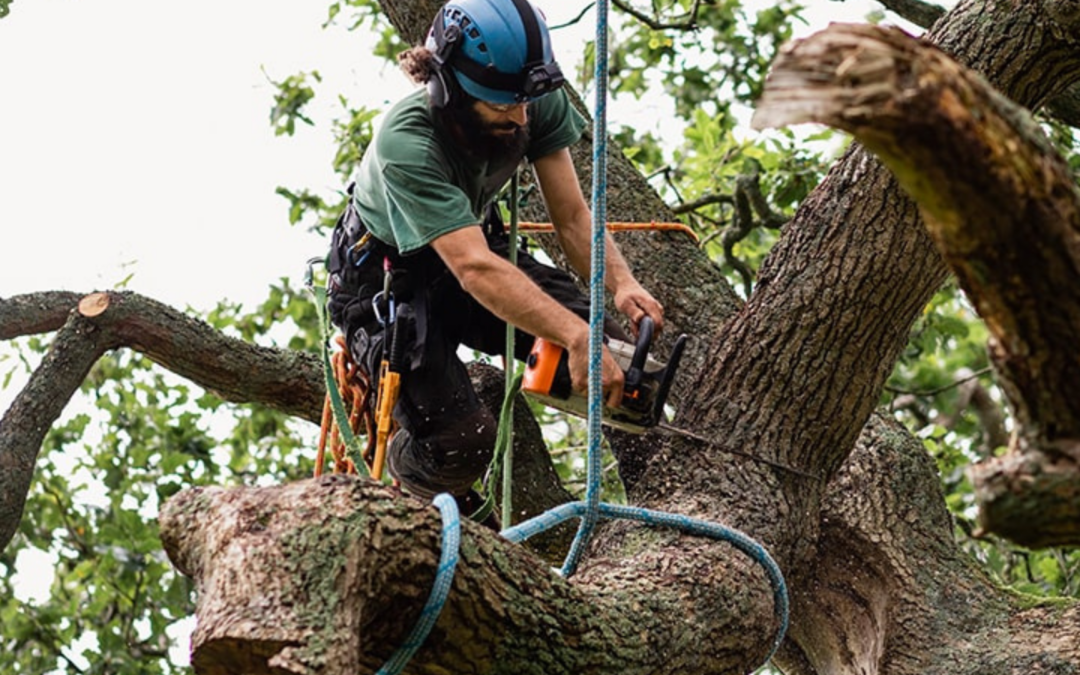
After powerful weather events occur, the consequences often leave trees in dangerous states, creating threats to buildings and people. Certified tree experts are crucial in immediate action, inspecting weather-damaged trees to determine their stability and health. With their skill, they can discern which trees can be salvaged and which are serious, instant risks that need to be taken down.
Using professional equipment, tree experts are able to securely trim fractured limbs and clear debris, minimizing further damage to adjacent property. They also provide valuable advice on preventive measures, such as selecting resilient tree species for subsequent landscaping.
Apart from the initial cleanup, professionals guide property owners through the possible lasting consequences of the storm, offering guidance on recovery and rehabilitation. By responding rapidly and capably, certified tree experts safeguard assets but also aid in the recovery of the local environment after severe storms.
Nutritional Support and Ground Care
Following the aftermath of storm damage, the priority becomes the condition of surviving trees, highlighting the significance of nutritional support and ground care. A qualified tree expert assesses soil conditions and tree health to ascertain specific nutritional needs. Trees need essential nutrients, like nitrogen, phosphorus, and potassium, to heal and grow strong following stressful periods.
Earth maintenance plays an essential role in how nutrients are accessed and root growth. Arborists may recommend soil amendments, including organic matter, to boost soil structure and microbe function. Proper pH levels are also evaluated, as they influence nutrient uptake.
Applying mulch can keep the ground moist and keep weeds down, fostering a perfect setting for the tree's recuperation. Through the creation of a comprehensive nutrient strategy and applying successful ground care techniques, arborists guarantee trees regain strength, resilience, and overall health, a factor essential to keeping the environment stable following ecological disruptions.
Questions and Answers
How Often Should I Have My Trees Inspected?
Trees should be evaluated annually for optimal condition. However, checking them more often could be needed for younger trees, after severe weather events, or if any signs of distress or disease are observed.
What Qualifications Should I Look for in an Arborist?
When seeking an arborist, one should look for credentials like ISA (International Society of Arboriculture) accreditation, proven track record, proper liability insurance, and a good standing locally, guaranteeing skill in tree care and safe procedures.
What Specialized Gear Do Arborists Need for Tree Care?
Arborists use various specialized tools for tree care, including chainsaws, pruning shears, climbing gear, and stump grinders. Each tool serves a specific purpose, allowing for proper upkeep, pruning, and tree extraction while promoting overall health and safety.
How Do Weather Conditions Affect Tree Health?
The state of the weather strongly influences tree health; too much water often causes root rot, while lack of water weakens trees. Temperature extremes can lead to the destruction of leaves and branches, consequently impacting growth, resilience, and general health of the trees.
Can I Perform Tree Care Myself, or Should I use a professional service?
Even though a few fundamental tree care duties can be performed by individuals, calling in a specialist is frequently the best option - Florence Arborist. Specialists are equipped with unique expertise and gear, ensuring that trees receive the appropriate care required for optimal development and health